
Every biography of Al Capone before 2016 had the same hole in it: no one had spoken, on the record and at length, to the people who actually knew him. The trial transcripts existed. The newspaper morgue existed. The family did not talk.
Al Capone: His Life, Legacy, and Legend, published in 2016, is the first full-length life of Capone written with the cooperation of his descendants, who gave Deirdre Bair access to personal testimony and family documents that no previous biographer had seen.
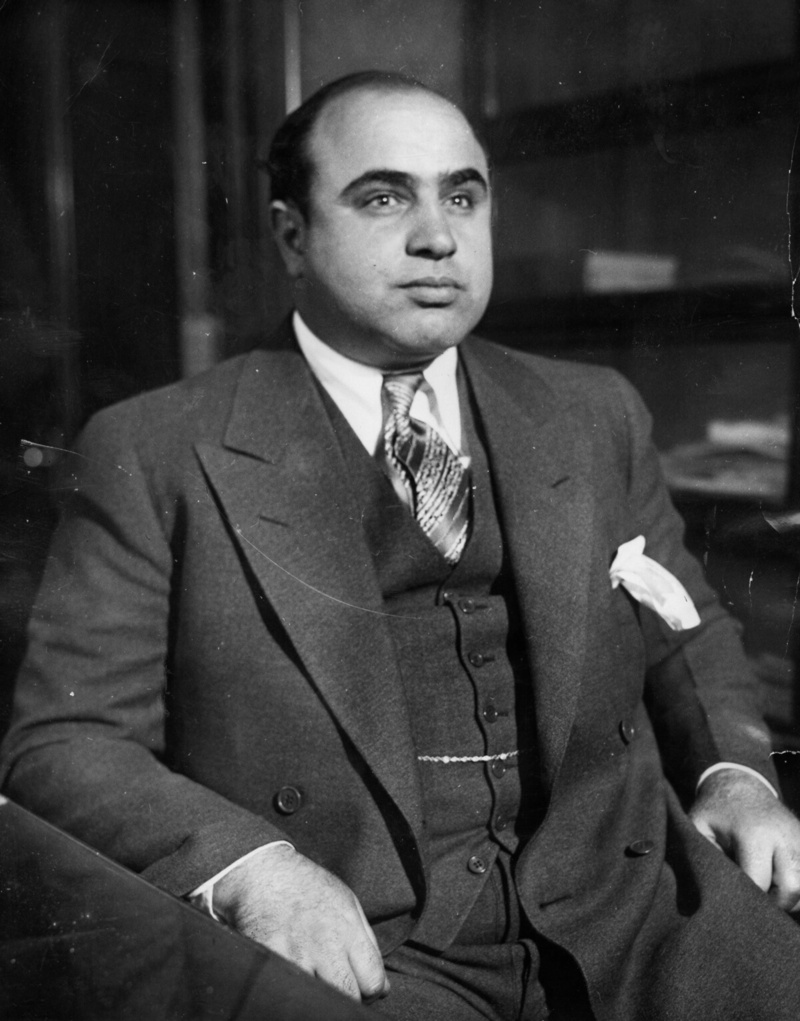
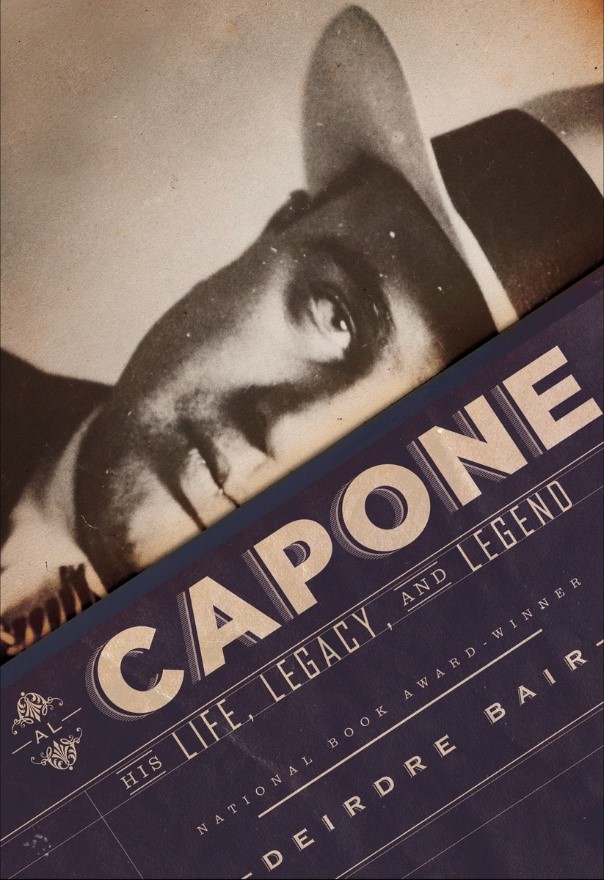
Why a literary biographer wrote about a gangster
It is a genuine break. Bair had spent thirty years on Beckett, Beauvoir, Nin and Jung — see her full bibliography — and the Capone book has no literary subject at all.
What carries over is the method. Bair’s working assumption across every book was that you go to the living people first, because they will not be living indefinitely, and you find out what the documents can and cannot support. Capone’s descendants were, by 2016, the last people with direct family memory. The book exists because she treated them as a closing archive rather than as a colourful footnote.
What the book is trying to correct
Capone is one of the most heavily mythologised figures in American history, and much of what circulates about him cannot be sourced to anything. Bair works through the accumulated legend and separates what is documented from what is repeated. Several of the most familiar Capone stories turn out to rest on nothing firmer than a newspaper columnist’s invention.
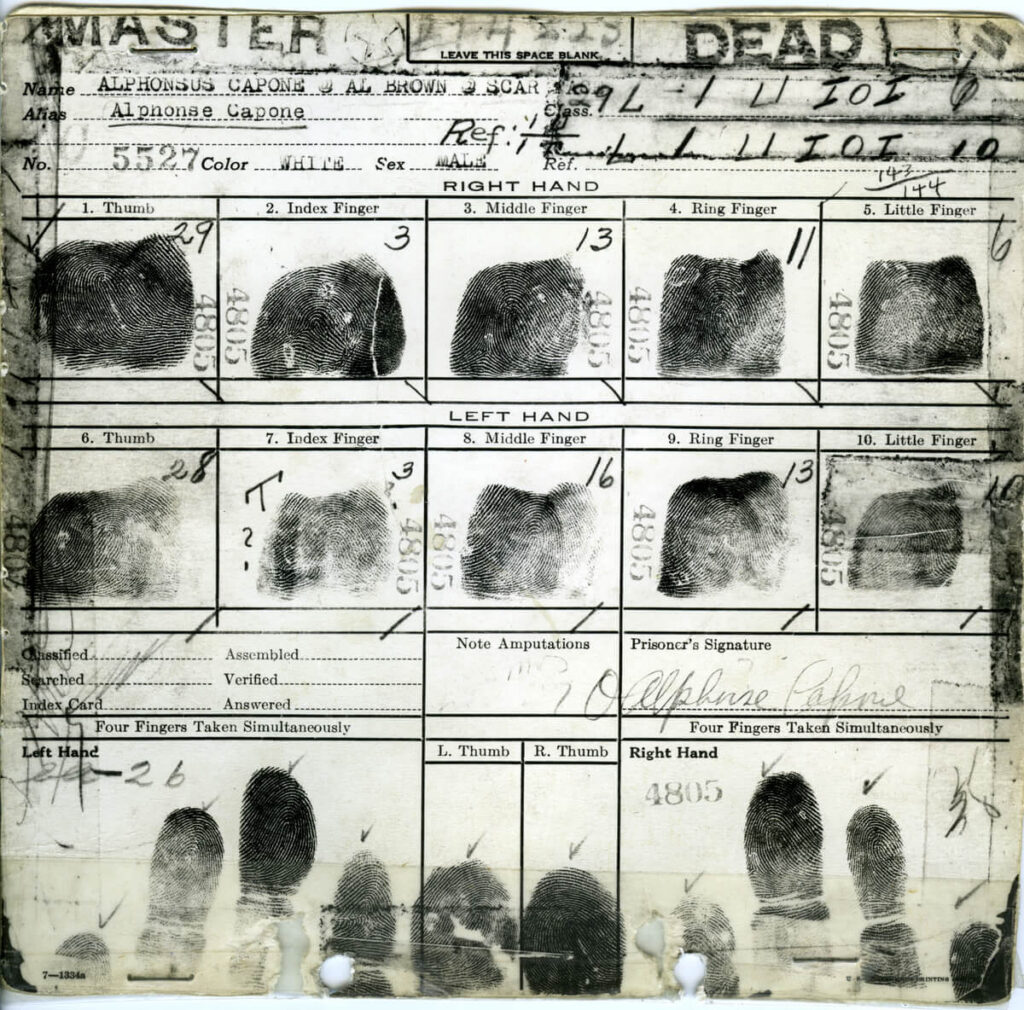
Her stated position on the limits of the evidence is worth quoting to anyone who wants certainty about Capone: on many of the central questions, as she puts it, “all we have are speculation and probability.”
The book’s centre of gravity is the private man: Capone as son, husband, brother and father, and the long decline caused by neurosyphilis that ended his working life well before his death. Readers looking for a chronicle of the Chicago rackets will find it thinner on organisational detail than other accounts.
The fair criticism
The book’s greatest strength is also its structural weakness, and it should be stated plainly.
Family testimony is not neutral. Several reviewers noted that Bair at times accepts descendants’ accounts more readily than the evidence supports — particularly where those accounts establish Capone’s essential humanity — and that many of the relatives she interviewed never met him. What they carry is inherited family memory, which is a real historical source and also a shaped one.
This does not make the book unreliable. It means a reader should treat the family material as testimony with an interest, weigh it against the documentary record, and notice where Bair does that weighing and where she does not.
Who it is for
- Good for: readers who want the man rather than the rackets, and readers who want the myths tested against sources.
- Less good for: readers who want the operational history of organised crime in Chicago, or a neutral outside reading of the family’s claims.
Editions
- Hardcover, Nan A. Talese / Doubleday, 2016 — ISBN 978-0-385-53715-5
- Trade paperback, Anchor, 31 October 2017, 416 pp — ISBN 978-0-345-80451-8 (this page)
This site is an independent reader’s project about Deirdre Bair’s books and the lives she wrote about. It is not affiliated with Deirdre Bair, her family, her estate, or her publishers.